Cold Plate Flatness and Sealing: What Matters on Your Drawing
Cold plate flatness and sealing — what to specify on your drawing for cold plate bases and covers that seal properly.
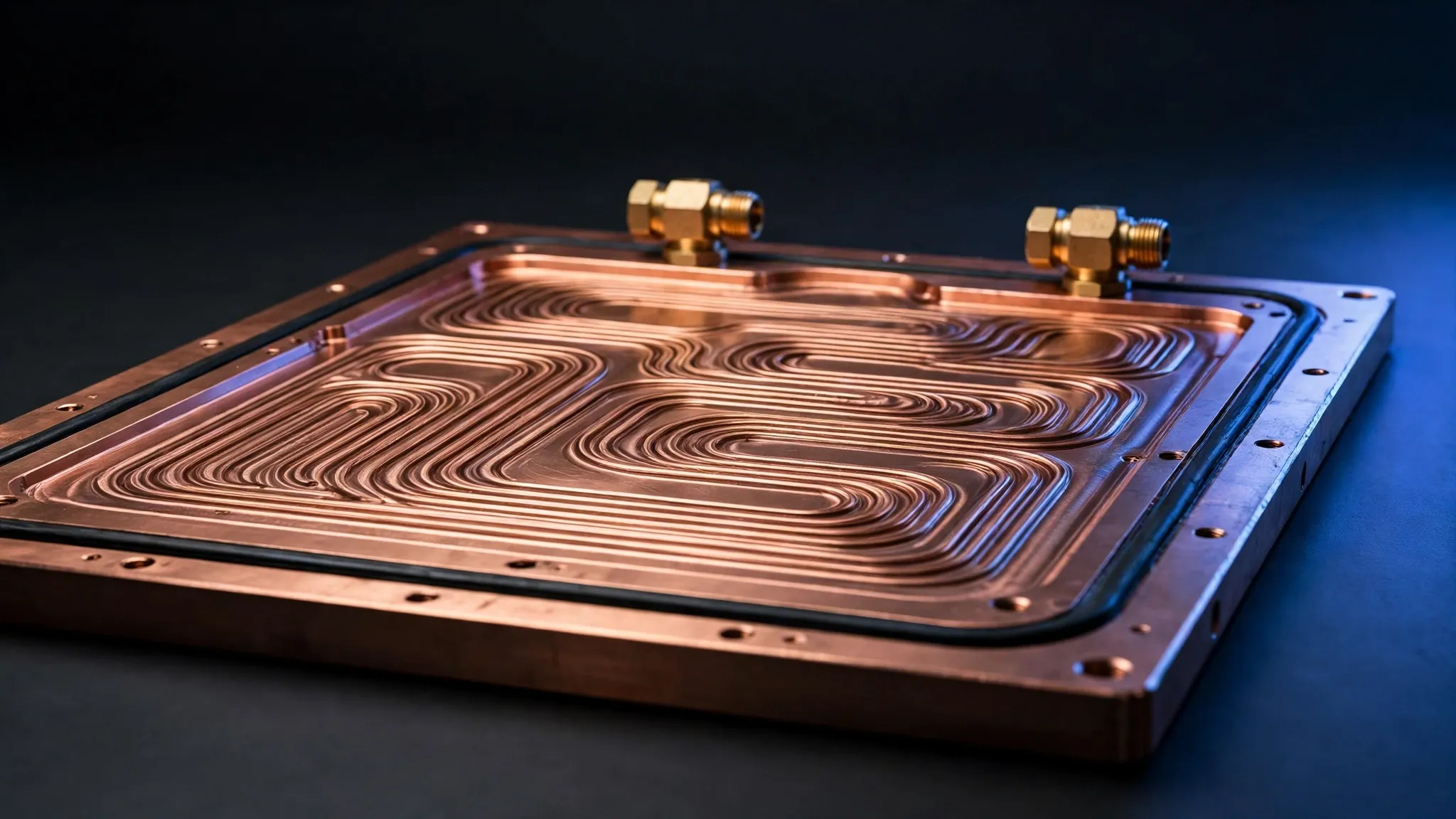
Cold plate bases and covers transfer heat from the hardware. Two things decide whether a cold plate works as intended: the flatness of its surfaces, and the flatness and finish of its sealing surfaces. Both should be on your drawing.
Flatness
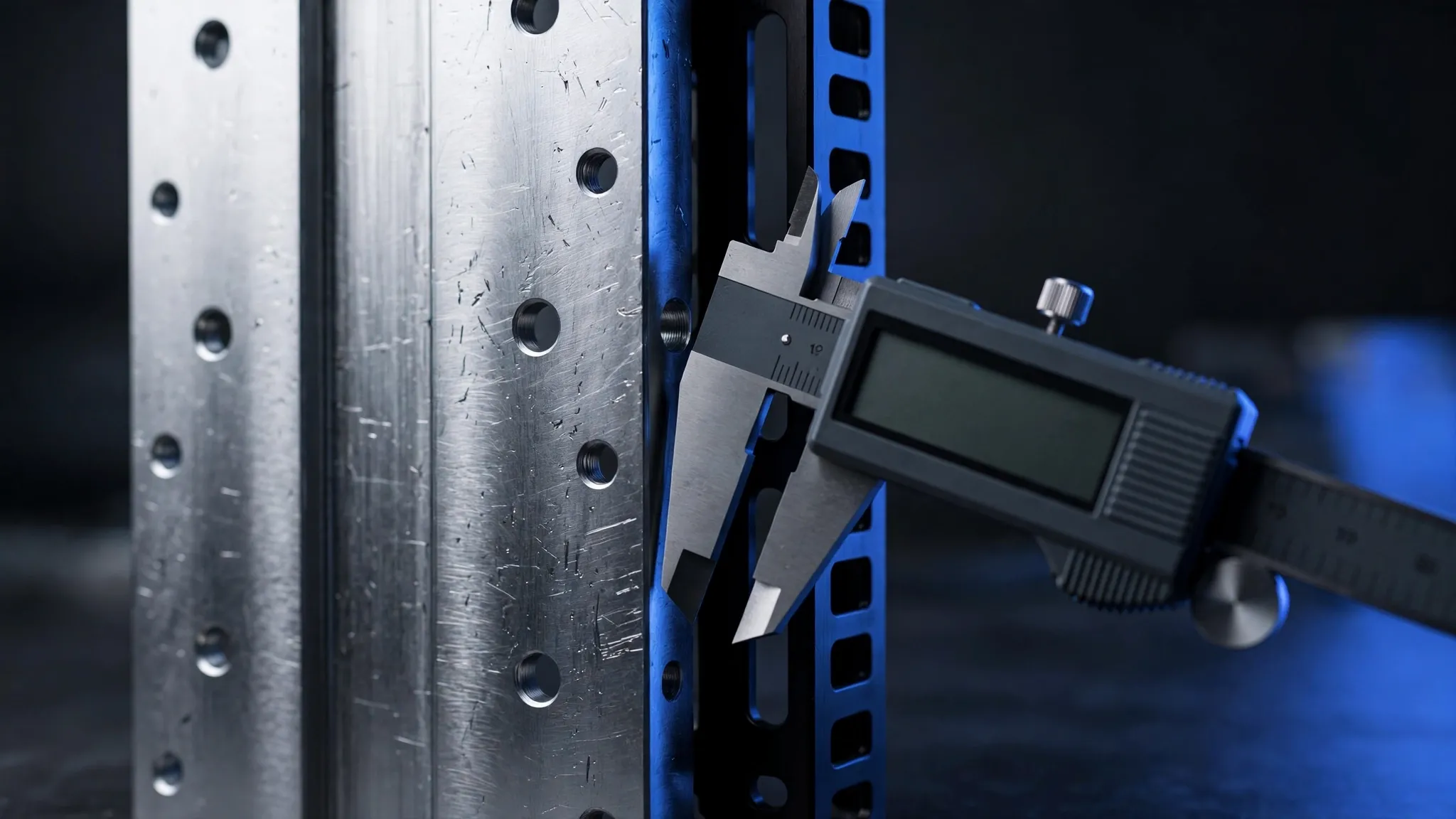
Flatness of sealing surfaces is evaluated per drawing. If a cold plate must sit flat against a heat source or seal against a cover, specify the flatness on your drawing — we make and inspect the part to that requirement.
Surface finish
Surface finish matters on sealing surfaces. For CNC machined parts: finish milling Ra 1.6 μm, rough machining Ra 3.2 μm. Specify the finish your sealing surface needs; anodizing, polishing and plating are available as specified.
Sealing surfaces
Sealing surfaces: flatness and finish of sealing surfaces as your drawing requires. Parts are made and inspected to your drawing — any test requirement should be specified on your drawing.
Materials
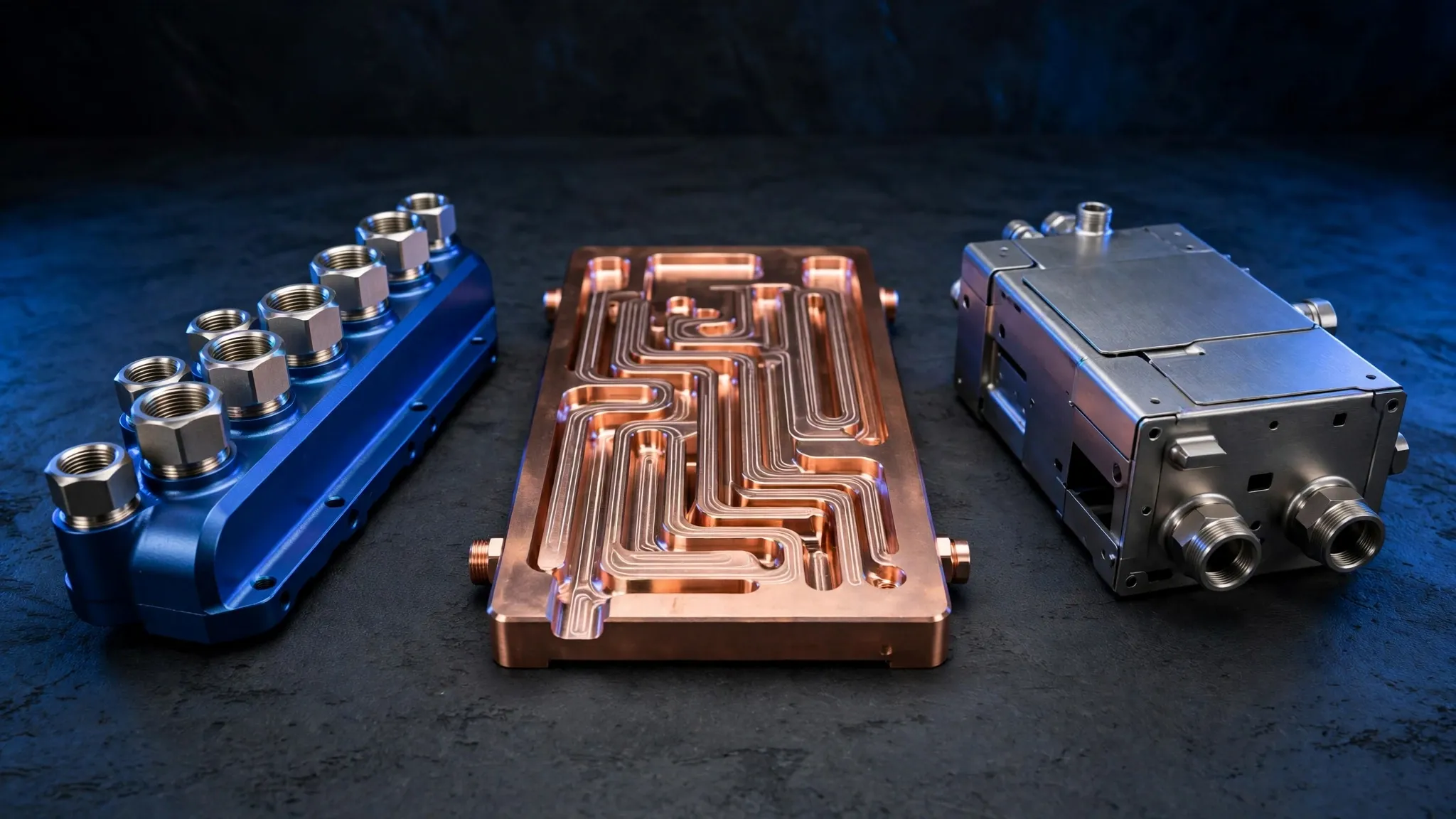
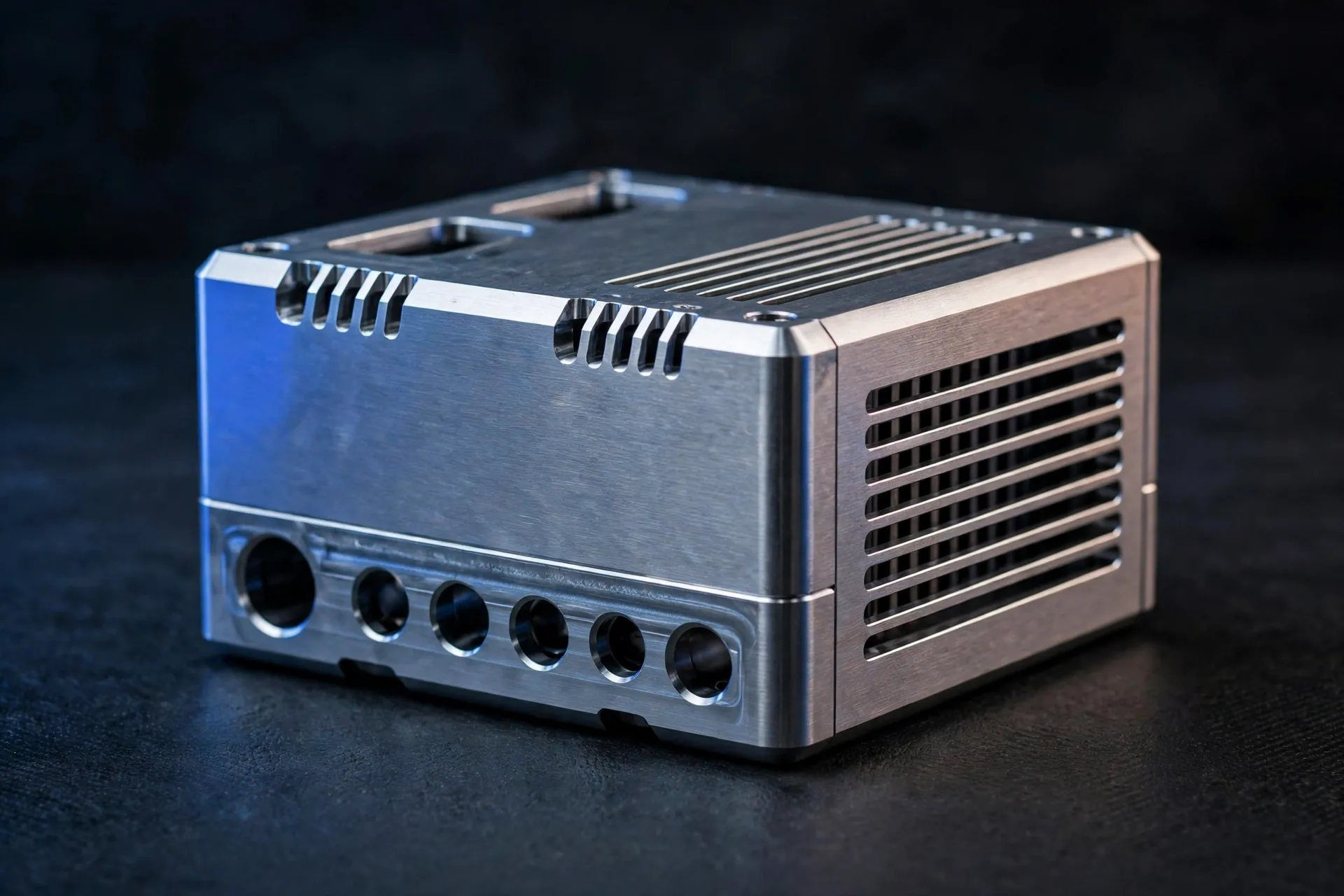
Copper is the usual material for cold plates and thermal parts. Aluminium is used for manifolds, enclosures and covers. Stainless steel is used for brackets, structural parts and covers. Material as your drawing requires.
What to send for a quote
3D file (STEP / STP / IGES / X_T), 2D drawing (DWG / DXF / PDF), material, quantity, tolerance and finish notes, and your target date — or "to be confirmed". Our form does not accept file uploads. Please submit the form first, then send your drawings to info@protofirster.com.